Taiwan
Ecological
Network

Cross-sectoral collaboration and biodiversity-focused spatial planning
for connected habitats and resilient social-ecological systems

Taiwan

Taiwan: An East Asian island in Subtropical and Tropical Climatic Zones

  • Highest peak (Mt. Yushan):3,952 m
  • Unique geological, geomorphological, and climatic conditions

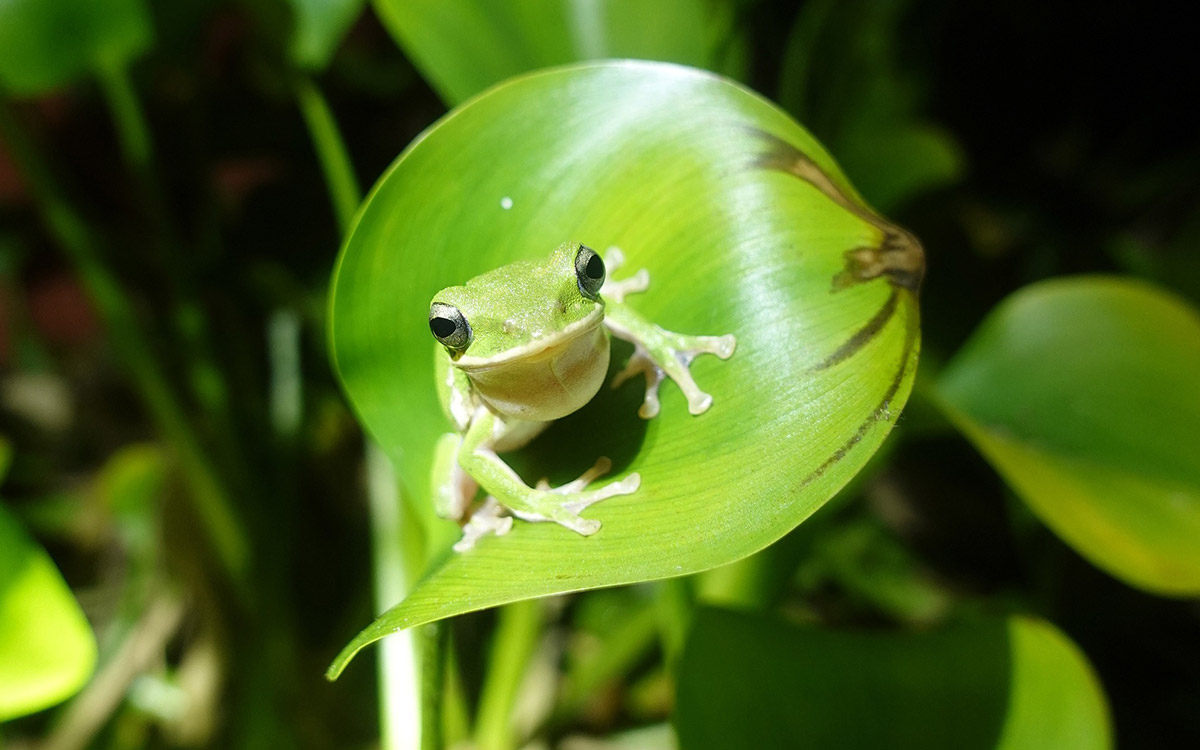
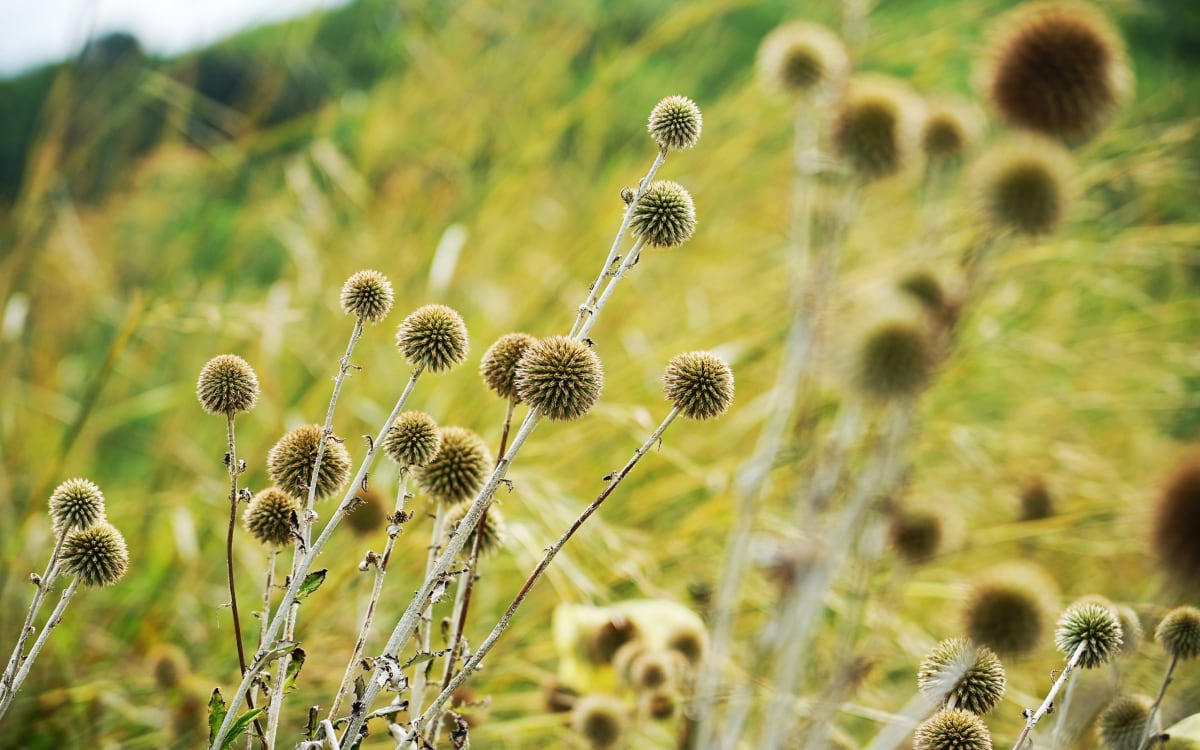
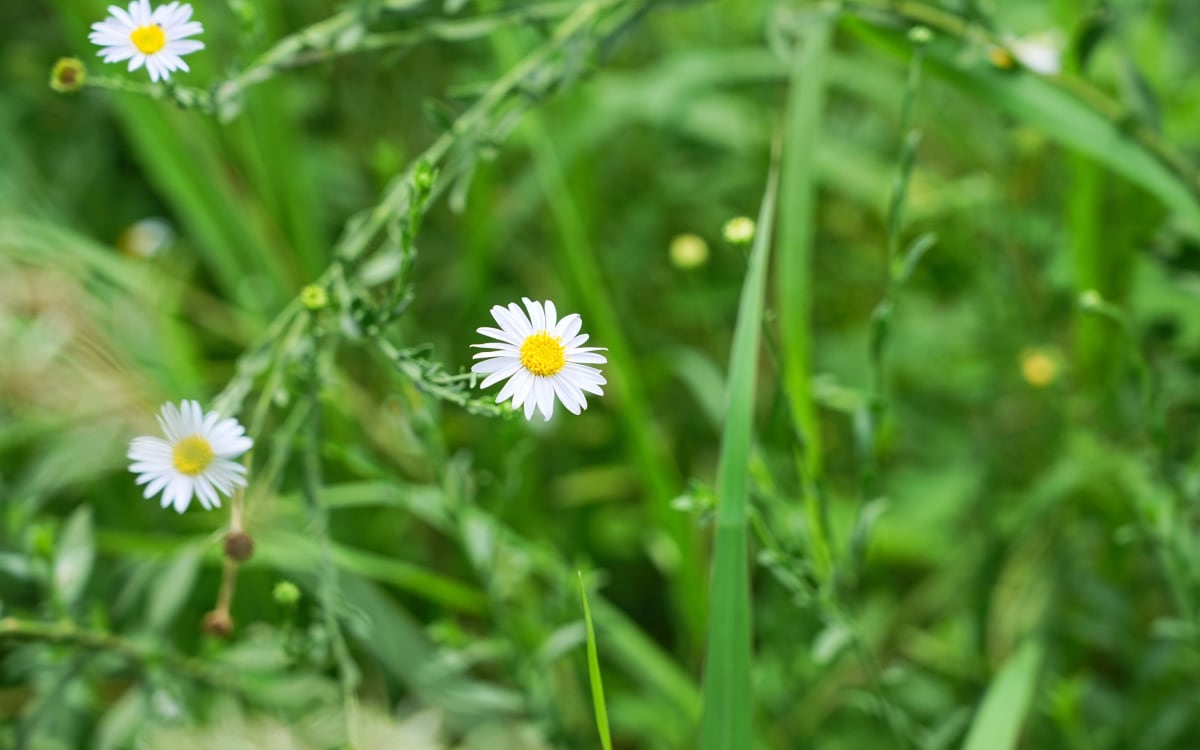
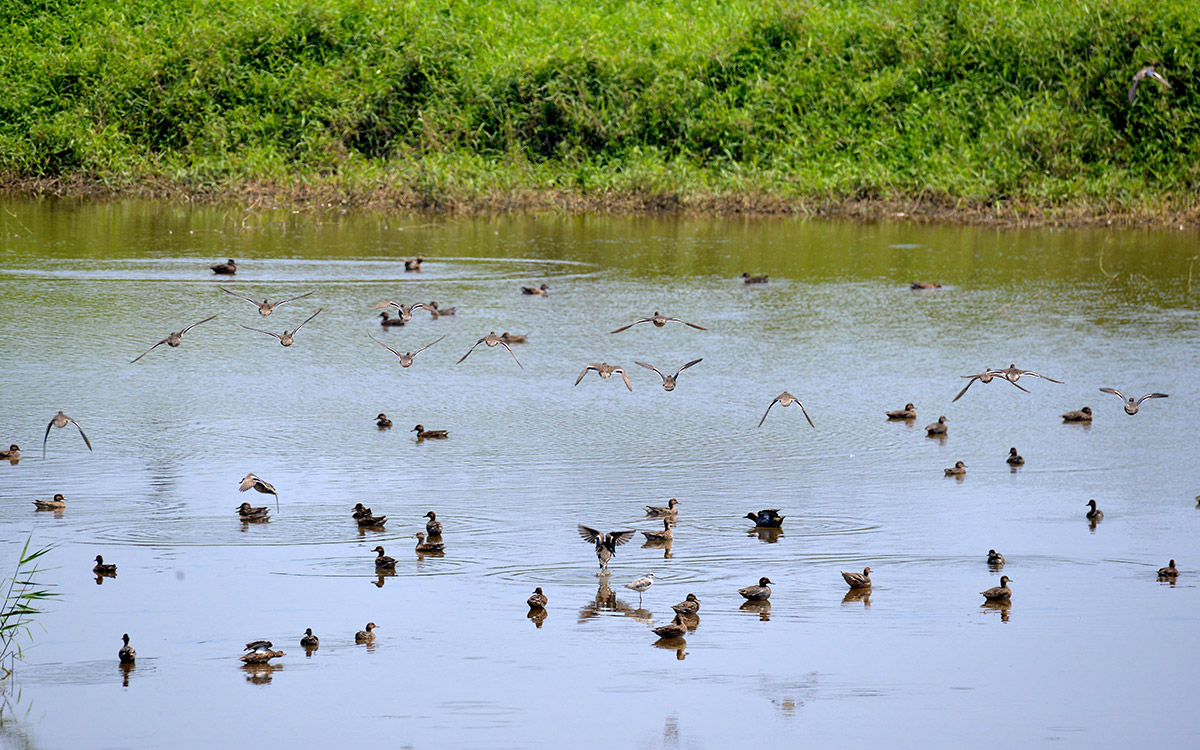
Rich Biodiversity

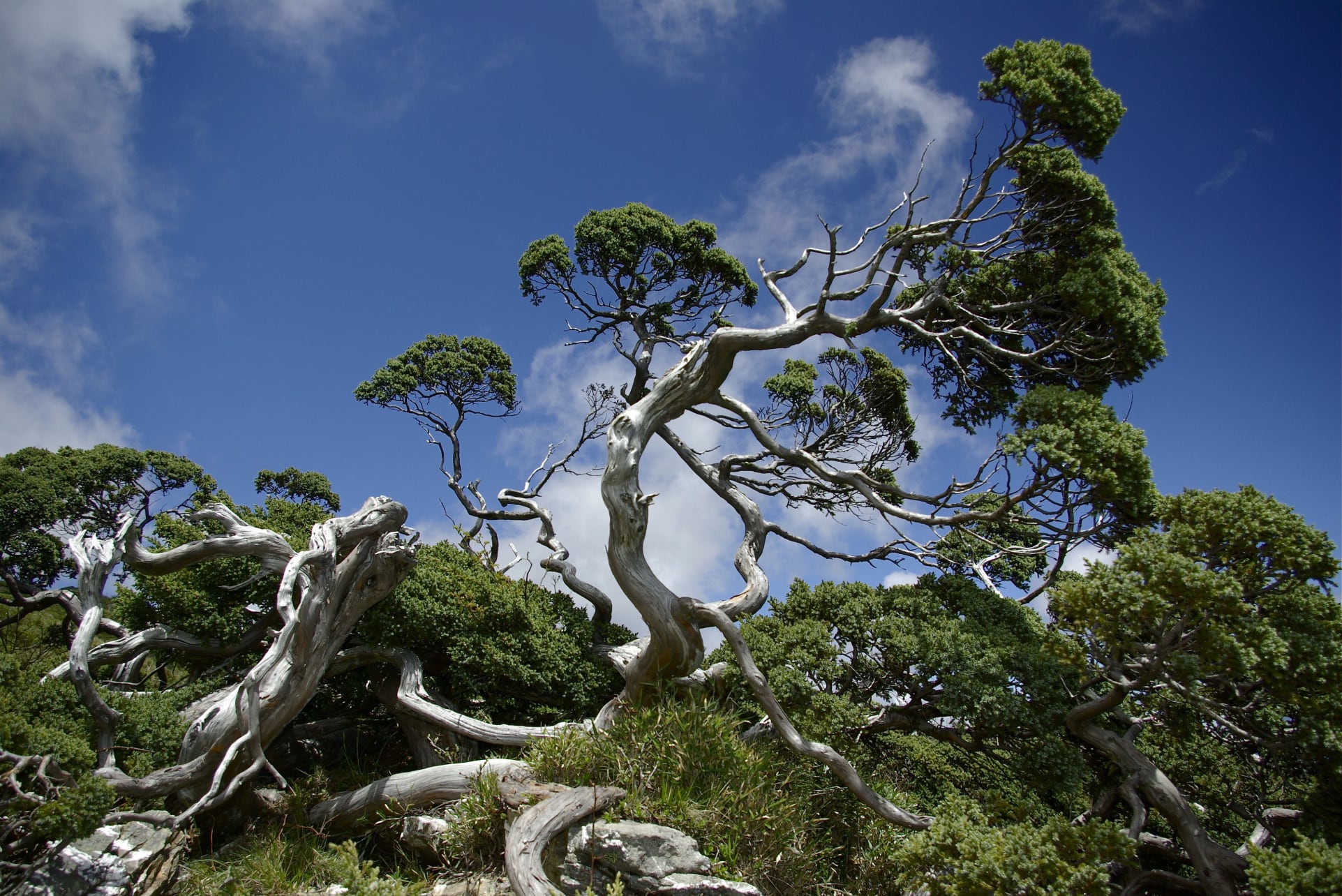
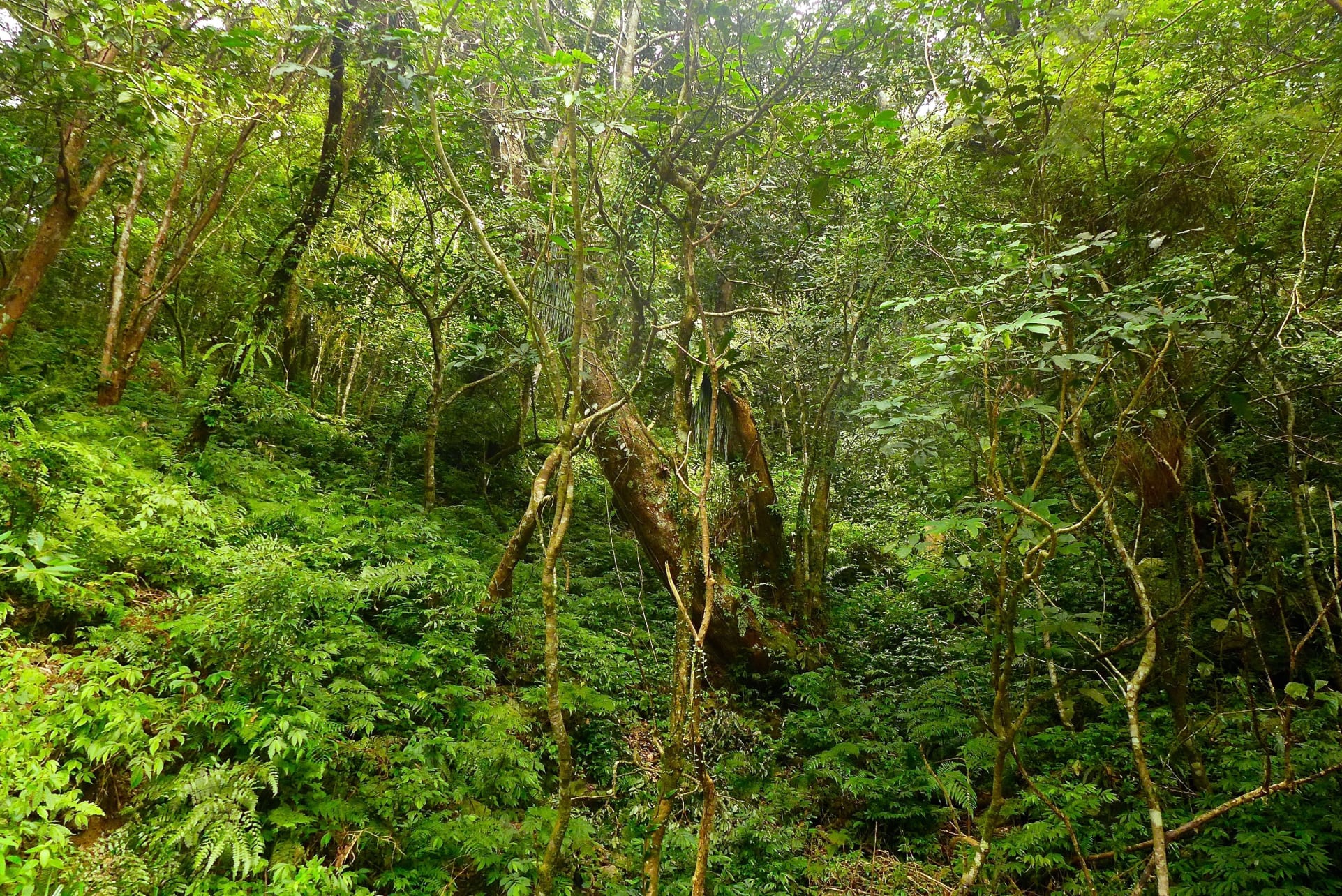
  • Over 64,000 species-3.4% of the world
  • High percentage of endemic and rare species
Rich biodiversity photo
Central Mountain Range Photo

Central Mountain Range: Unbroken
Green Corridor

  • Protected areas cover 19.18% of the land area
  • State-owned forests cover 42.5% of the land, protecting the island's forest ecosystems

Insufficient Conservation Outside Protected Areas

  • 55% of the protected species and 64% of the Red List plants are located outside the well-protected forest areas
  • Overlap with human population in shallow mountain and coastal areas
  • Habitat fragmentation is becoming increasingly severe
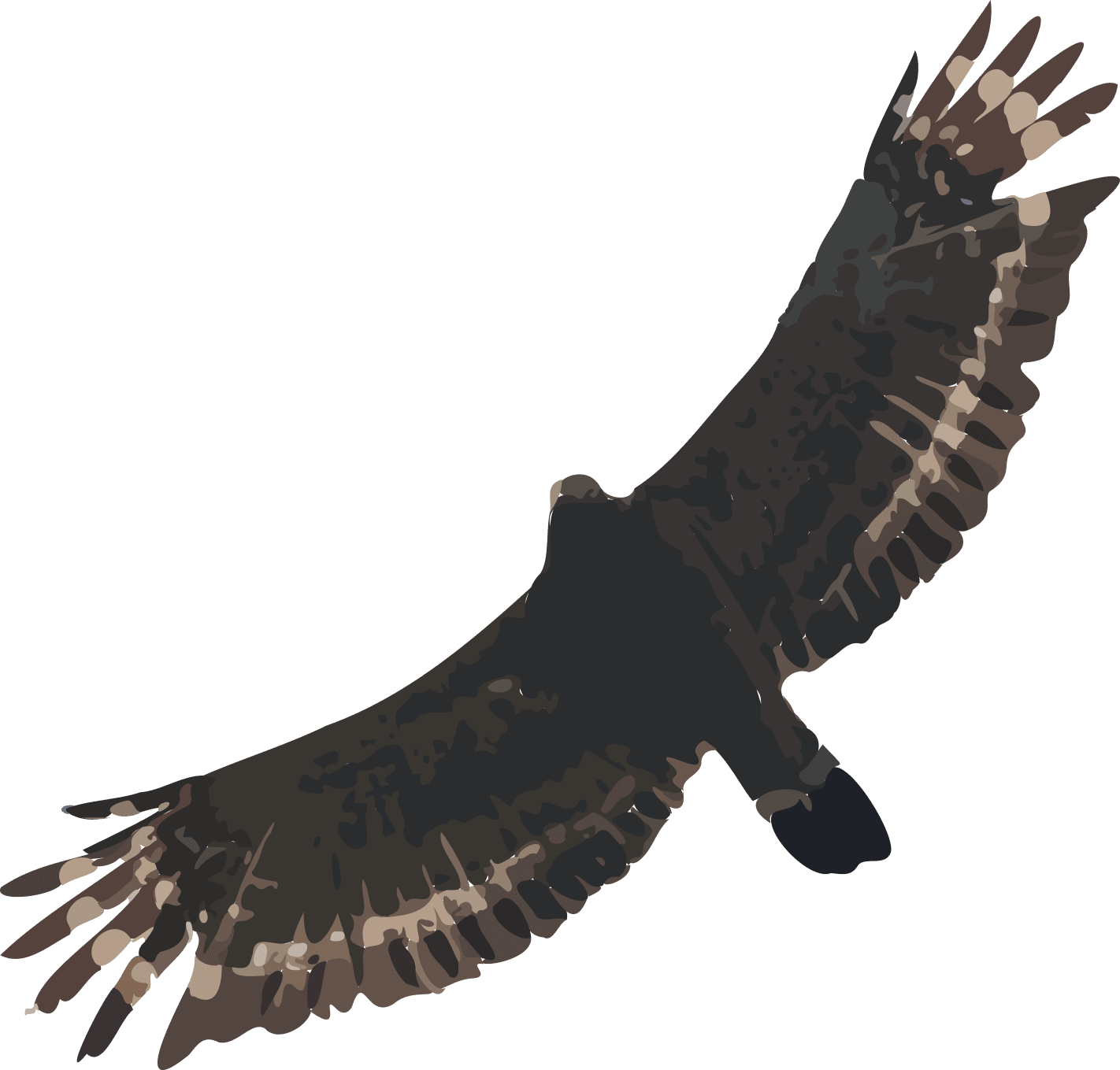
Eagle
Spilornis cheela

About Taiwan Ecological Network

In 2018, Taiwan Ecological Network (TEN) was introduced by the Forestry and Nature Conservation Agency (FANCA) as the first of its kind islandwide program. Based on biodiversity considerations, TEN has progressively established a nationwide ecological network connecting forests, rivers, rural landscapes, and coastal areas across Taiwan.

In response to increasingly complex environmental and social challenges, TEN incorporated the core principles of Nature-based Solutions (NbS) in 2026, further strengthening its governance approach while advancing its long-term vision of harmony between people and nature.


2018-2025
2026-2029

Focused on developing the TEN spatial framework, consolidating ecological data, and restoring fragmented habitats, while establishing the foundation for coordinated conservation action and more ecologically sensitive infrastructure planning. Adopts a more systematic and evidence-based approach to governance, strengthening institutional mechanisms, cross-sectoral collaboration, science-based decision support, and alignment with global biodiversity frameworks.

Overall Objective
TEN aims to connect east–west river systems and green corridors from mountain ecosystems to coastal areas, while improving habitat quality and supporting biodiversity across low-elevation mountains, plains, wetlands, and coastal areas. Through the conservation and sustainable use of socio-ecological production landscapes and seascapes (SEPLS), TEN also strengthens habitat connectivity and community resilience, contributing to sustainable development. Guided by the vision of harmony between people and nature, TEN contributes to the nature-positive goals of the Kunming–Montreal Global Biodiversity Framework for 2030. Through nationwide ecological network planning, cross-sectoral collaborative governance, and science-based ecological information and decision support, TEN advances nature-based approaches to resilient infrastructure and the sustainable provision of ecosystem services. Together, these efforts strengthen ecological connectivity across Taiwan while enhancing ecosystem functions and overall environmental resilience.
Conservation Spatial Planning
Cross-Sectoral Collaboration
Ecological Restoration
Ecological Survey Data
Policy Integration
Place-Based NbS Governance
Evidence-Based Decision Support
Calophyllum blancoi

Spatial Planning

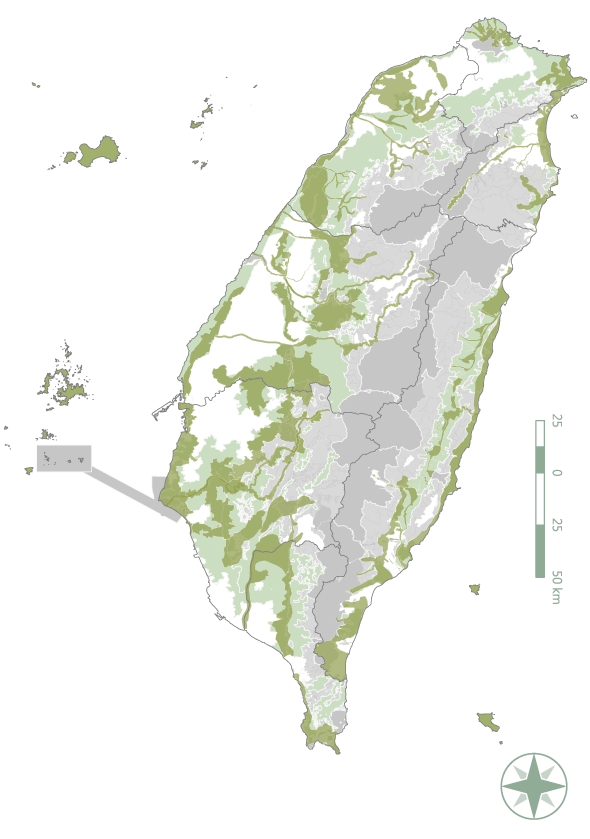
Priority Biodiversity Areas44 Priority Biodiversity Areas 
36.7% of the land area
Priority Biodiversity Areas45 Conservation Corridors
Icon Shallow mountain type 12

Lowland forest and Farmland

IconStream type 14

River, Stream, Riparian habitat

IconValley type 8

Farm pond, Grassland, Rural and Urban green space

IconCoastal type 6

Fish farm, Paddy field, and Coastal forest

IconOffshore islands 5
Priority Biodiversity AreasProtected area
Priority Biodiversity AreasNational forest working circles
plan01

Sharing Ecological Information

Platalea minor

Database Integration and Sharing

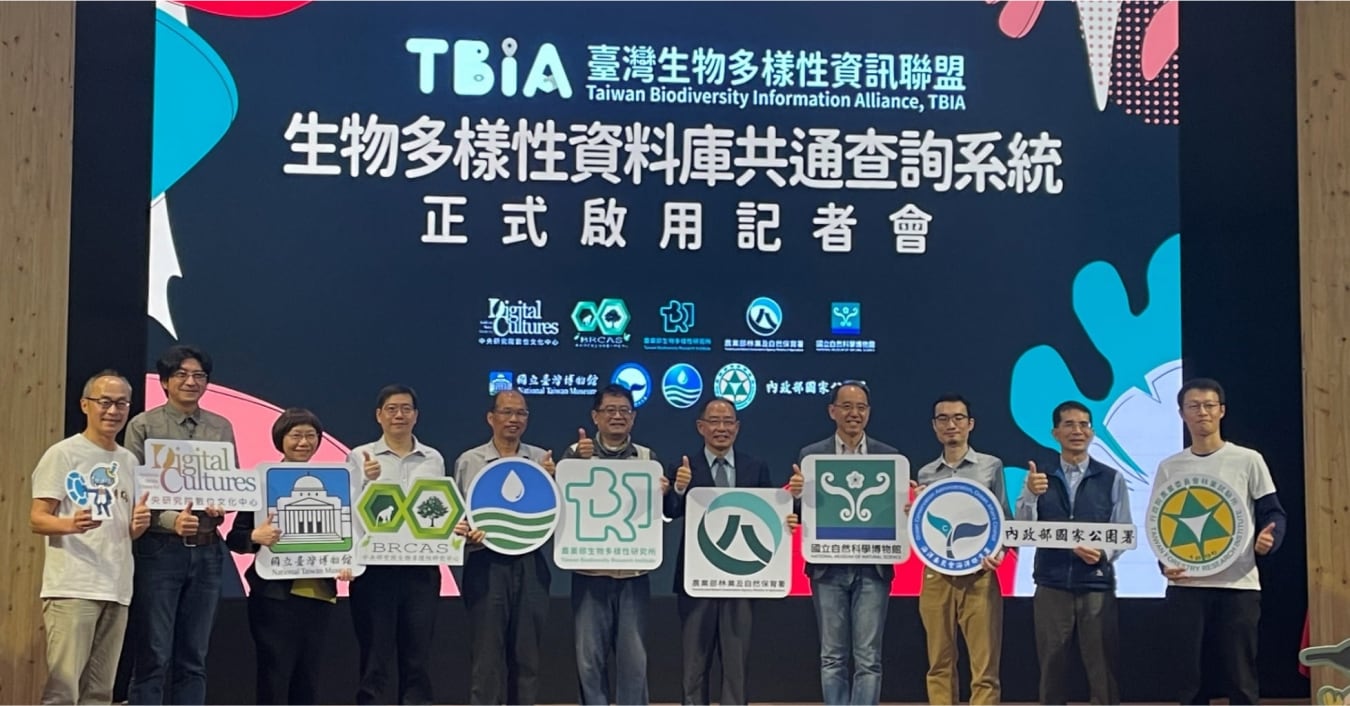
Faced with challenges such as scattered or inconsistent biodiversity data that are difficult to utilize, the Taiwan Biodiversity Information Alliance (TBIA) was established in 2021. It aims to promote data integration and sharing through collaborative efforts among partner members to enhance the visibility of biodiversity information.
Currently, the alliance consists of 13 members, who are biodiversity-related institutions in Taiwan and have made their biodiversity available to the public.
TBIA launched the "Biodiversity Database Portal System" in 2023, effectively supporting biodiversity scientific research and policymaking.

Link to FANCA open in new window

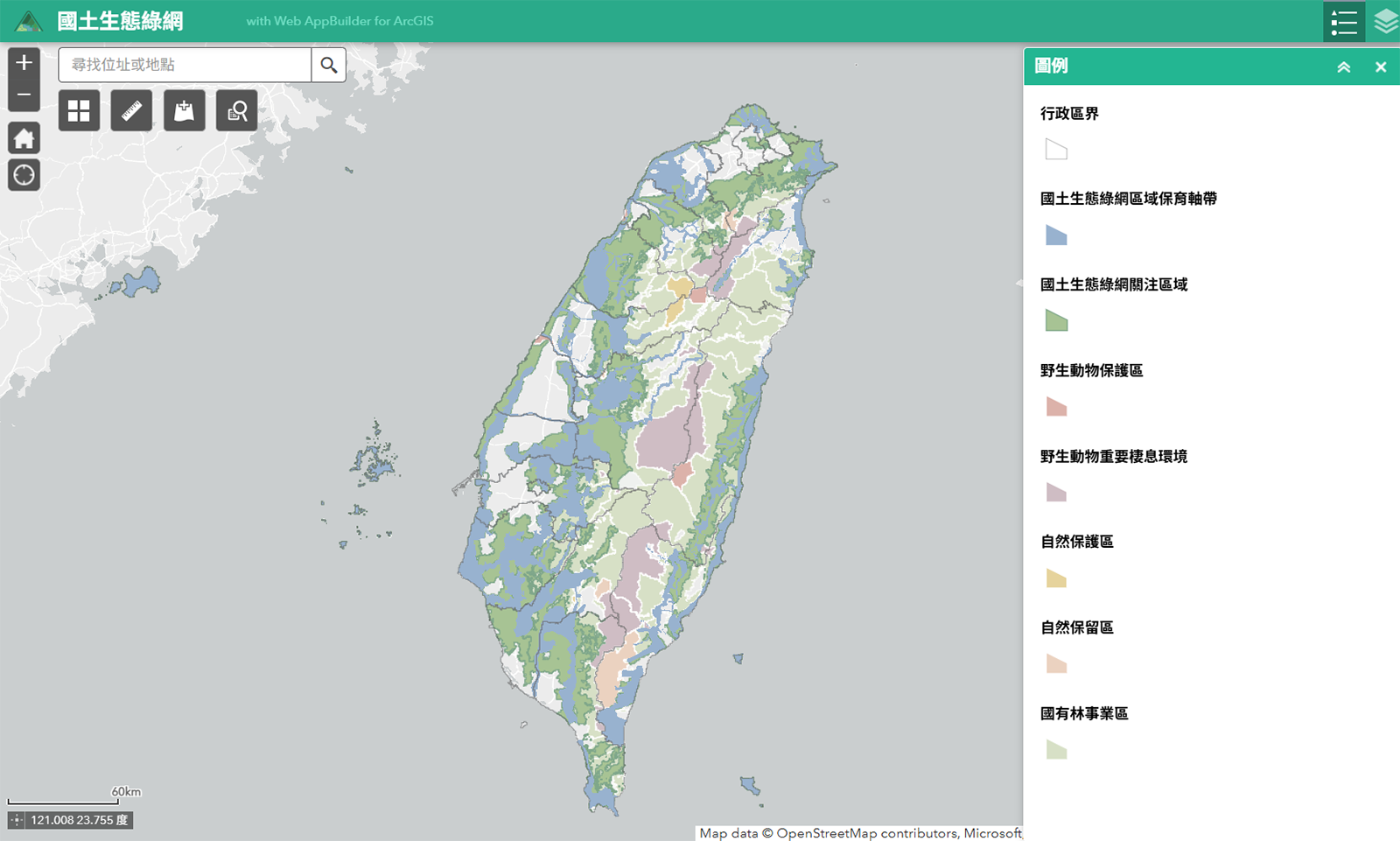
TEN Program’s Mapping Platform Now Open for Public Access and Use
TEN Mapping Platform Now Open for Public Access and Use

TEN Mapping Platform Now Open for Public Access and Use

The TEN mapping platform provides a range of spatial data, making it easy to identify area-based conservation information, including designated purposes, conservation strategies, focus habitats, focus species, biodiversity hotspots, etc.
Those biodiversity data support a wide range of spatial analysis, infrastructure assessment, and land planning. Open data enables public and private sector stakeholders to work together effectively with consistent information to protect Taiwan's ecological environment.

Link to FANCA open in new window

Michelia compressa
Quercus tarokoensis

Implementing Nature-Based Solutions
Through Cross-Sectoral Collaboration
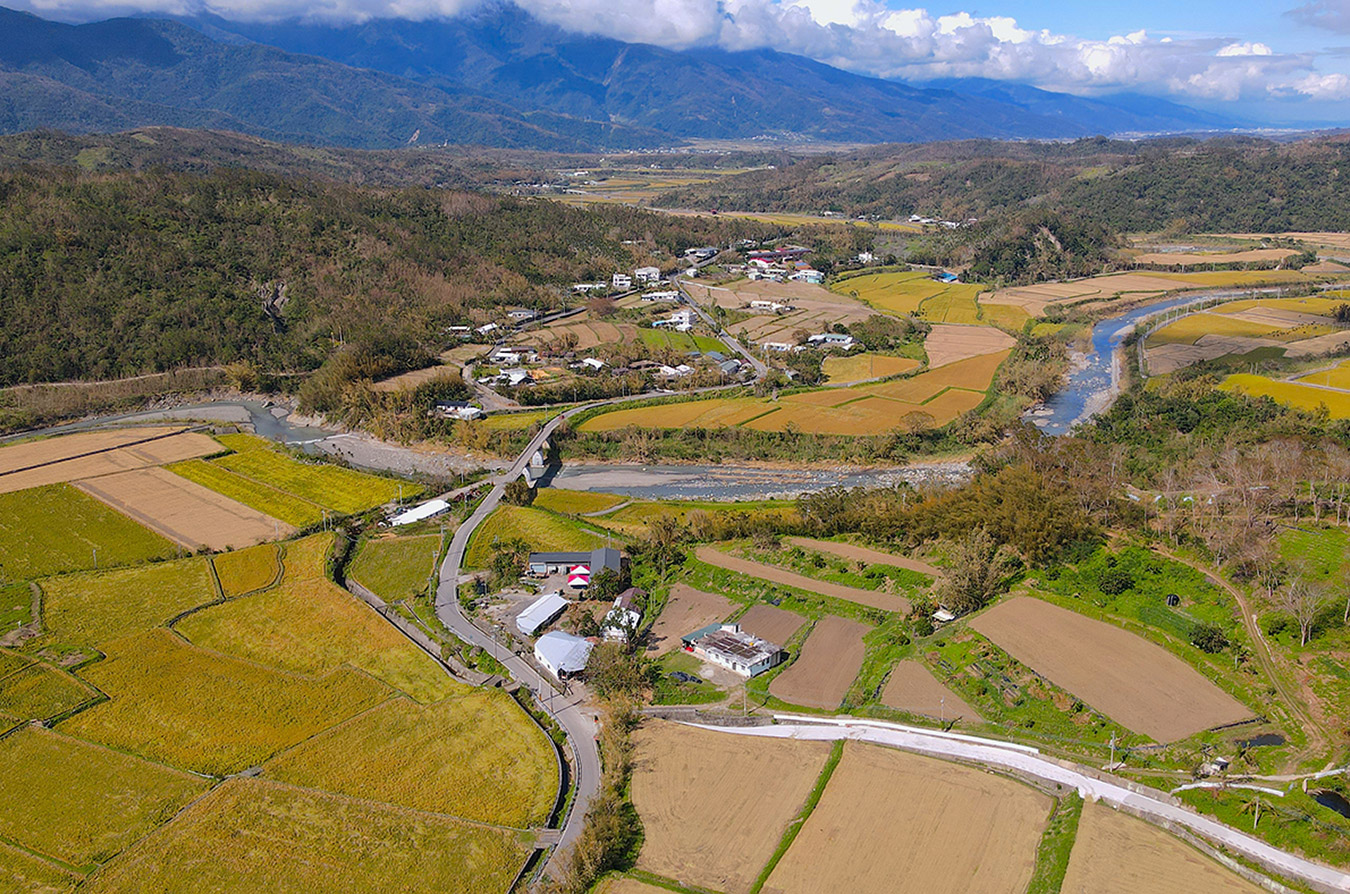
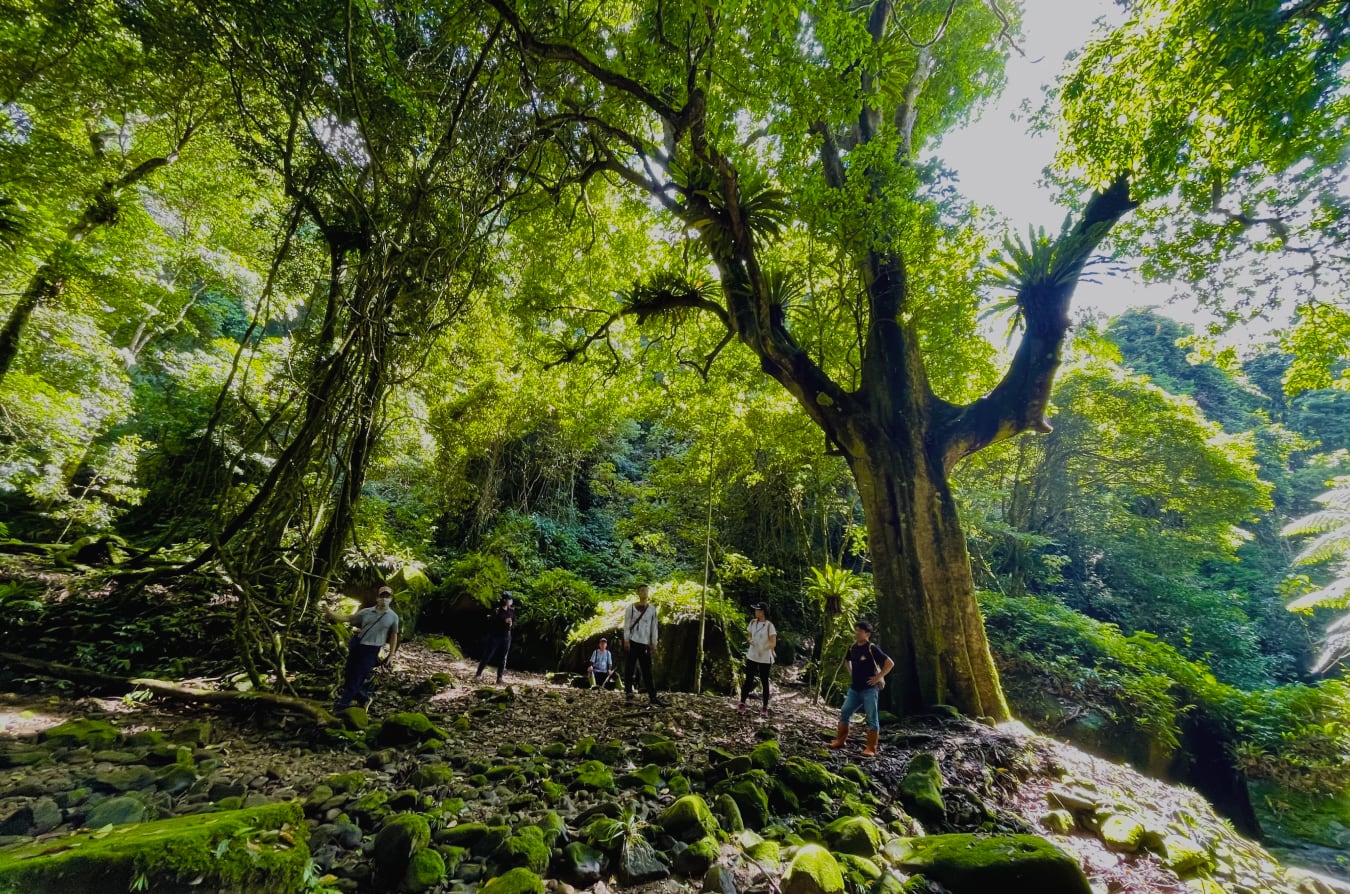
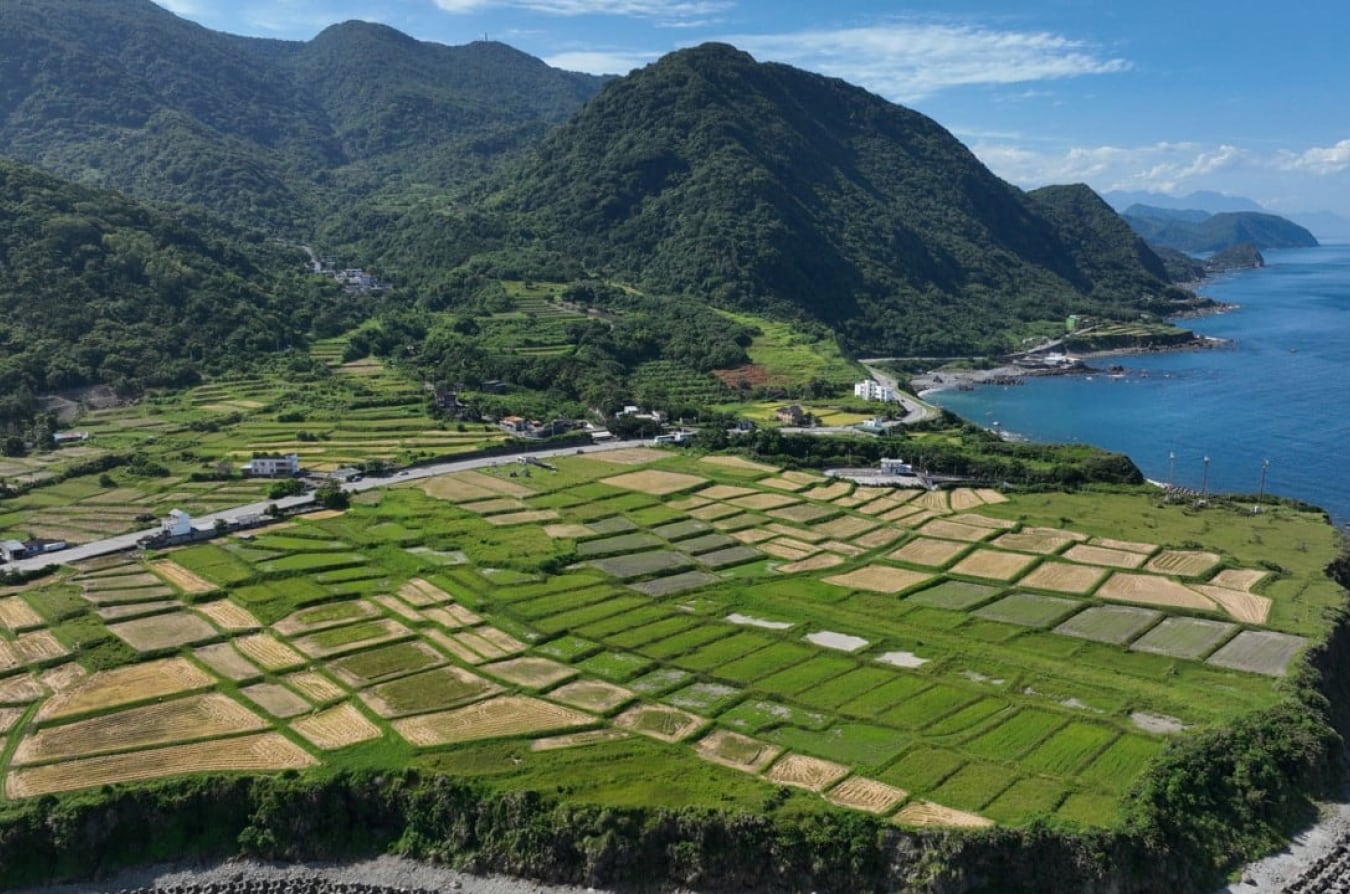
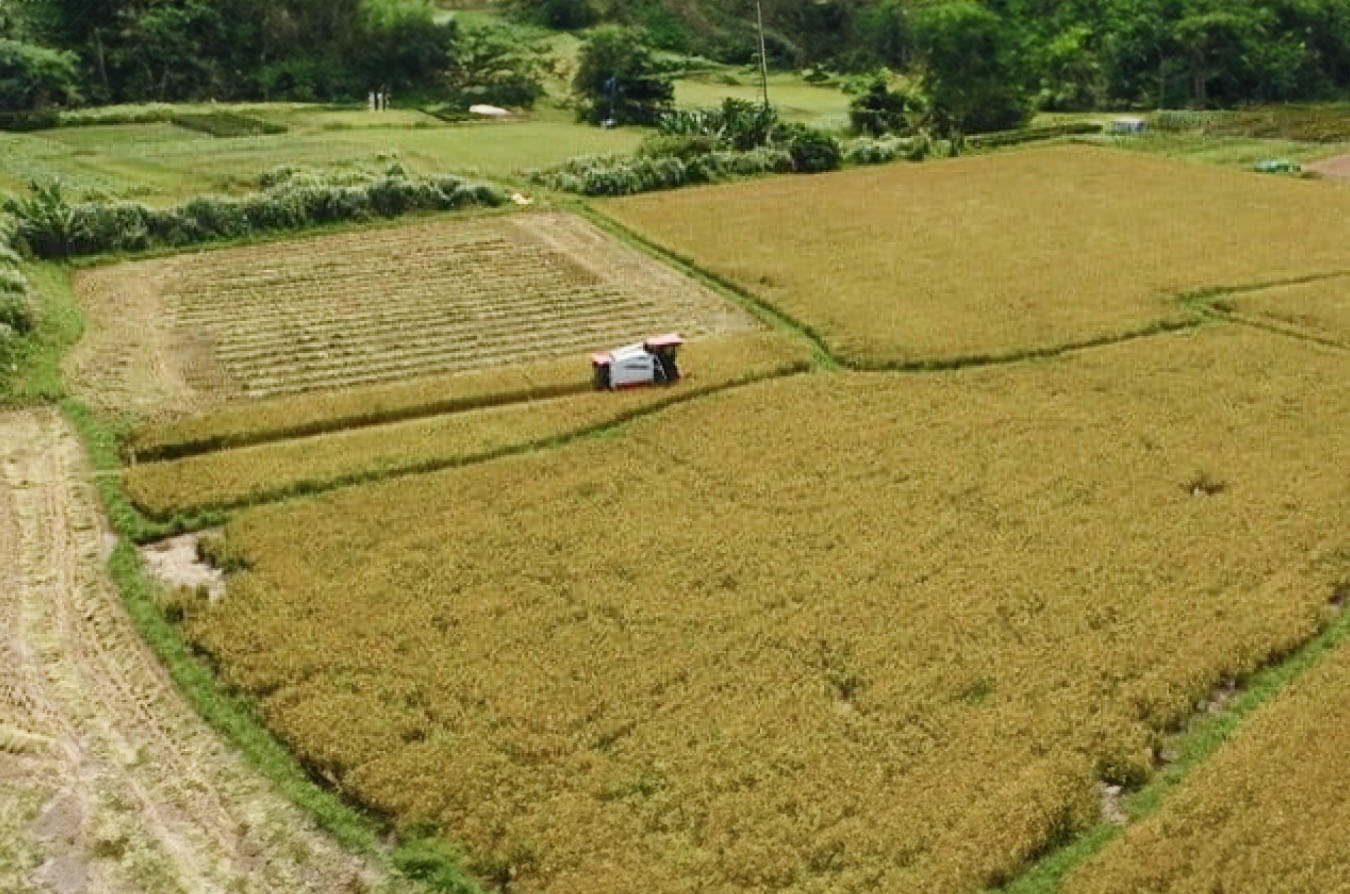
Solution Photo
Solution Photo
Solution Photo
Solution Photo
In response to diverse goals and strategic actions, the TEN program connects various departments, effectively integrating policies and resources in land planning, water resources, transport, and the environment.
TEN establishes 8 regional cooperation platforms, making cross-sectoral collaboration possible through cross-disciplinary communication and information exchange. In addition, by forming partnerships with local communities and academic institutions, the program promotes the Satoyama Initiative and landscape conservation while also encouraging private companies and civil organizations to bring more innovation and resources.
TEN has a multifaceted mechanism that develops a flexible approach to discussing how to address various social and economic challenges and improve the ecosystem. TEN is a good framework for implementing nature-based solutions in Taiwan.
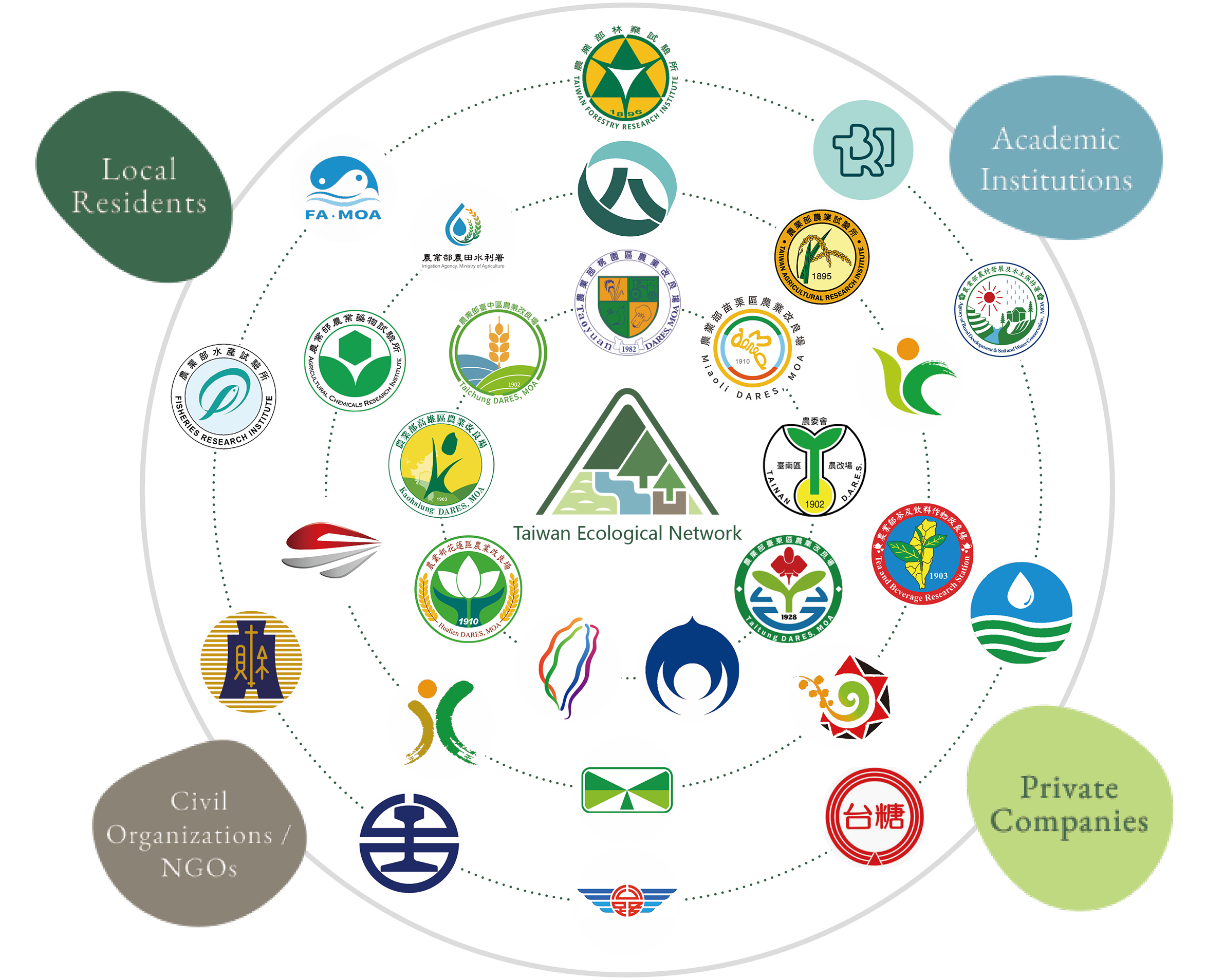
Cross-Agency, Cross-Disciplinary, and Cross-Spatial Linkages

Connecting Internationally

Common Yet Differentiated Responsibilities

Taiwan adheres to the Convention on Biological Diversity, revising the "National Biodiversity Strategies and Action Plan (NBSAP)", and TEN is the best approach to achieve conservation goals.

Taiwan actively engages in and supports global efforts to promote biodiversity, taking on the shared responsibility of protecting the Earth's environment and reducing resource consumption.
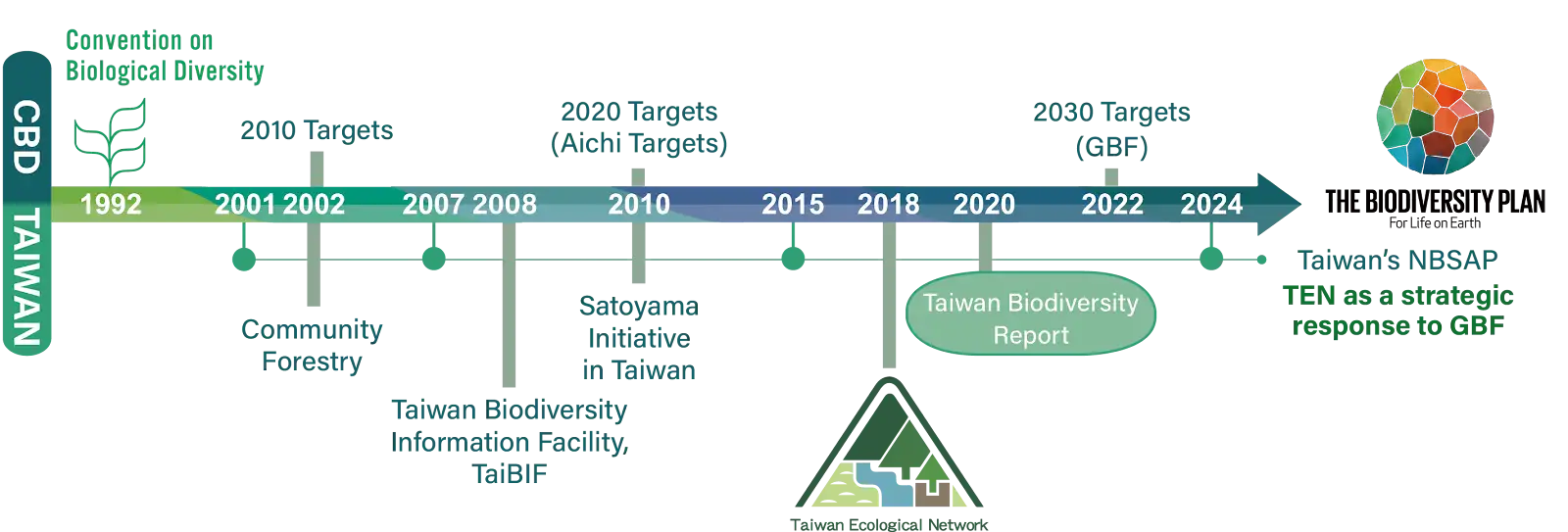
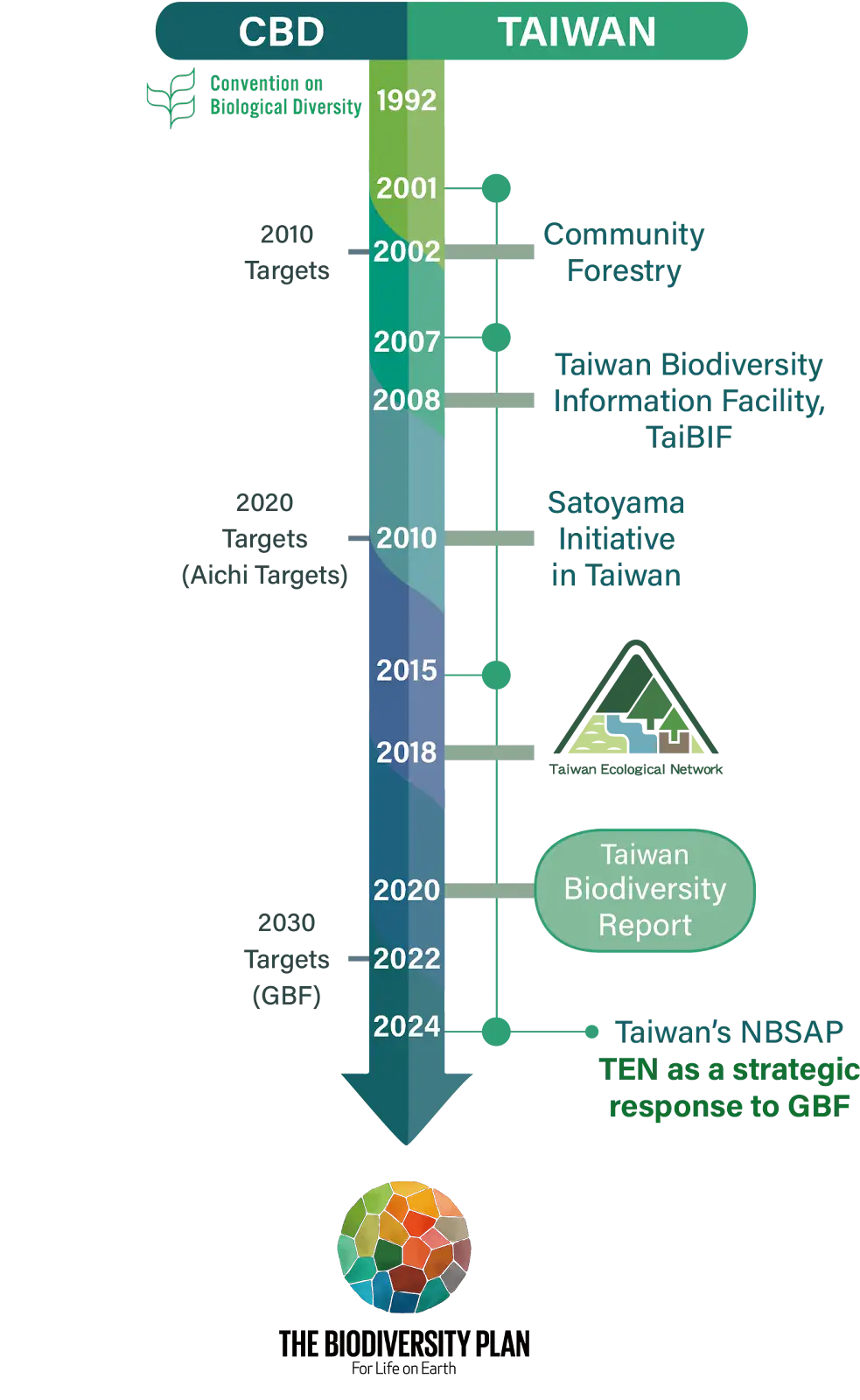
TimeLineTimeLine

TEN Program Achievements Receive International Recognition

We were invited by the Global Biodiversity Information Facility (GBIF) to share the results of incorporating ecological data from the TEN program into spatial planning and government decision-making. The TEN program was highlighted by GBIF as a reference example at a side event of the Convention on Biological Diversity (CBD) COP 15.
TEN supports multi-functional and resilient socio-ecological production landscapes and seascapes with their rich biodiversity, healthy habitats and sustainable livelihoods of IPLCs. Together with the Community Forestry program and Taiwan Partnership for the Satoyama Initiative, TEN explores existing and potential opportunities for realising the “Three in One” strategy in Taiwan towards the 2050 Vision and 2030 Mission of the Kunming-Montreal Global Biodiversity Framework.
Fifteen articles highlighting the Satoyama outcomes of the TEN program have been published on the IUCN and IPSI international platforms.
Explore Taiwan Case Studies on International Platforms

Leveraging the TEN Program as a Core Strategy for Biodiversity Conservation

Taiwan Ecological Network (TEN) is the island’s driving force for attaining the 2030 mission and 2050 vision of the Kunming-Montreal Global Biodiversity Framework (GBF).

In the future, we will continue to deepen our efforts and seek more international cooperation to jointly address the global biodiversity crisis. Through these efforts, we believe Taiwan will become one of the global exemplars of biodiversity conservation, providing valuable references and insights for other countries and regions.

The TEN Program for Achieving 2030 Biodiversity Targets

TARGET 1-Plan and Manage all Areas To Reduce Biodiversity Loss
TARGET 2-Restore 30% of all Degraded Ecosystems
TARGET 3-Conserve 30% of Land, Waters and Seas
TARGET 4-Halt Species Extinction, Protect Genetic Diversity, and Manage Human-Wildlife Conflicts
TARGET 5-Ensure Sustainable, Safe and Legal Harvesting and Trade of Wild Species
TARGET 6-Reduce the Introduction of Invasive Alien Species by 50% and Minimize Their Impact
TARGET 7-Reduce Pollution to Levels That Are Not Harmful to Biodiversity
TARGET 8-Minimize the Impacts of Climate Change on Biodiversity and Build Resilience
TARGET 9-Manage Wild Species Sustainably To Benefit People
TARGET 10-Enhance Biodiversity and Sustainability in Agriculture, Aquaculture, Fisheries, and Forestry
TARGET 11-Restore, Maintain and Enhance Nature’s Contributions to People
TARGET 12-Enhance Green Spaces and Urban Planning for Human Well-Being and Biodiversity
TARGET 13-Increase the Sharing of Benefits From Genetic Resources, Digital Sequence Information and Traditional Knowledge
TARGET 14-Integrate Biodiversity in Decision-Making at Every Level
TARGET 15-Businesses Assess, Disclose and Reduce Biodiversity-Related Risks and Negative Impacts
TARGET 16-Enable Sustainable Consumption Choices To Reduce Waste and Overconsumption
TARGET 17-Strengthen Biosafety and Distribute the Benefits of Biotechnology
TARGET 18-Reduce Harmful Incentives by at Least $500 Billion per Year, and Scale Up Positive Incentives for Biodiversity
TARGET 19-Mobilize $200 Billion per Year for Biodiversity From all Sources, Including $30 Billion Through International Finance
TARGET 20-Strengthen Capacity-Building, Technology Transfer, and Scientific and Technical Cooperation for Biodiversity
TARGET 21-Ensure That Knowledge Is Available and Accessible To Guide Biodiversity Action
TARGET 22-Ensure Participation in Decision-Making and Access to Justice and Information Related to Biodiversity for all
TARGET 23-Ensure Gender Equality and a Gender-Responsive Approach for Biodiversity Action
Corybas sinii

Wandering TEN

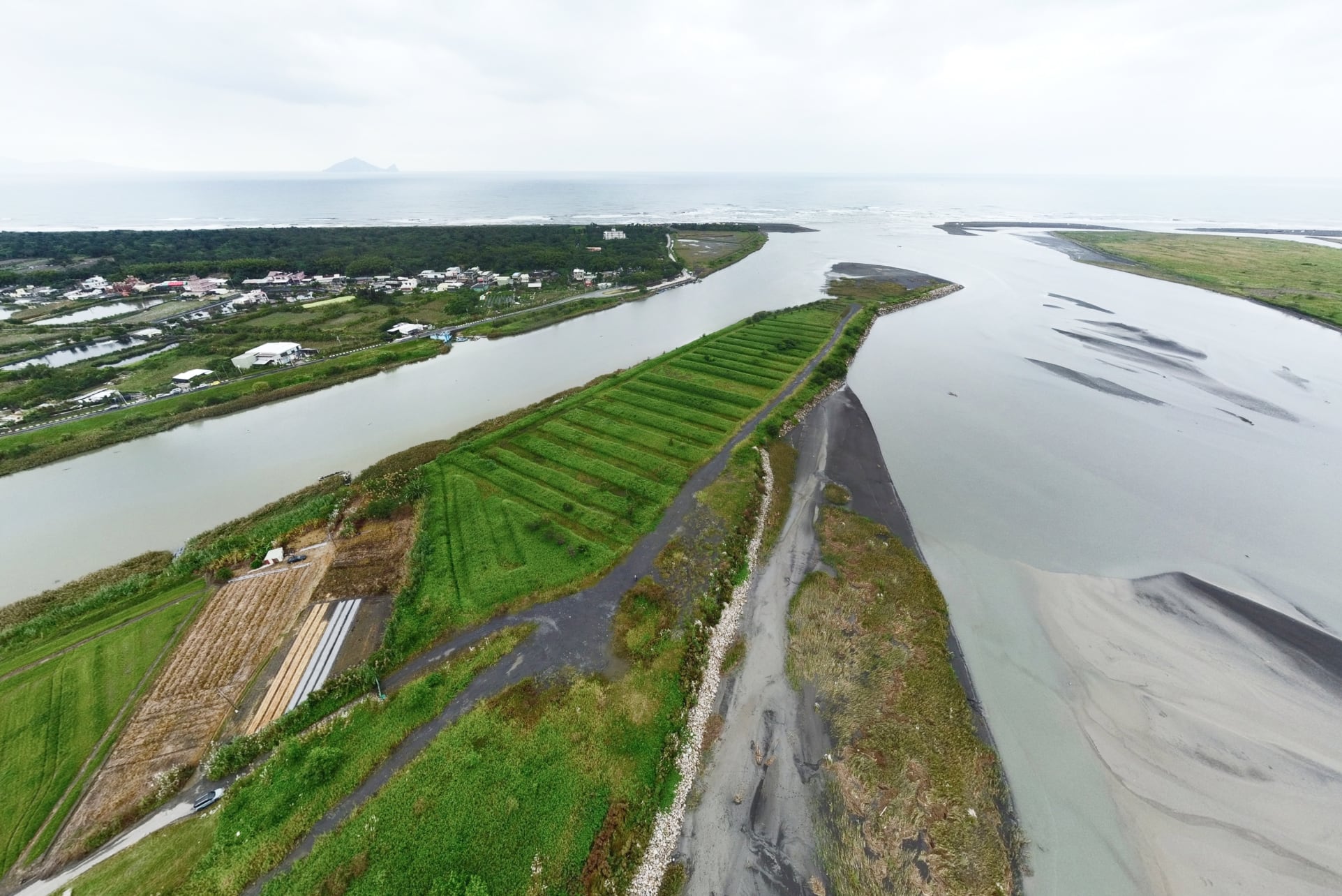
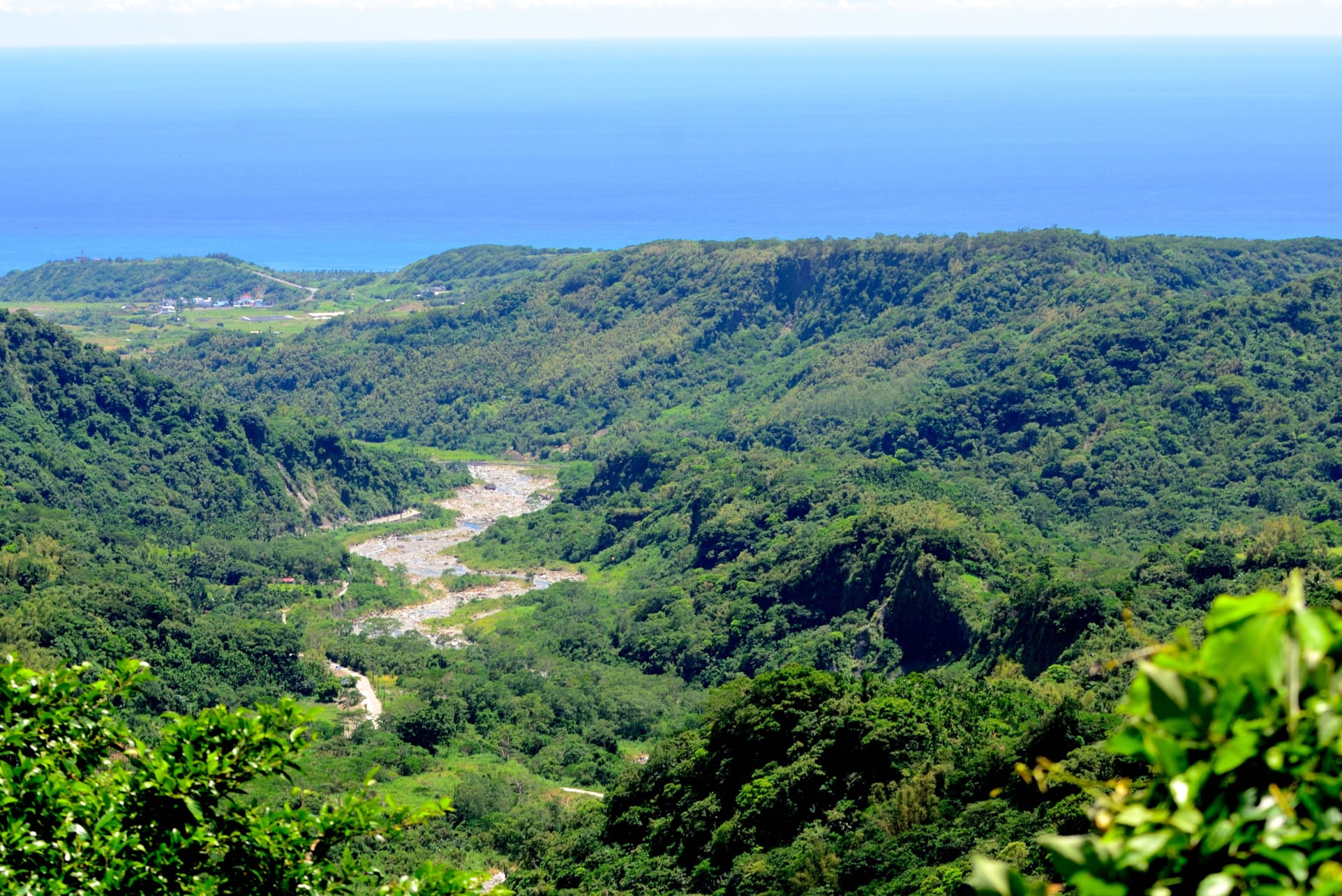
Implementation of TEN on the ground

Tianliaoyang Wetland
Northern Region
Lanyang Plain
Northeastern Region
Nanzhuang Saisiyat Tribe
Northwestern Region
Daan River and Dajia River
Western Region
Matoushan
Southwestern Region
Baoli Creek
Southern Region
Danongdafu Forest Park
Eastern Region
Xinshe Village
Eastern Region
Matsu Islands
Offshore Islands

Share

Taiwan Ecological Network

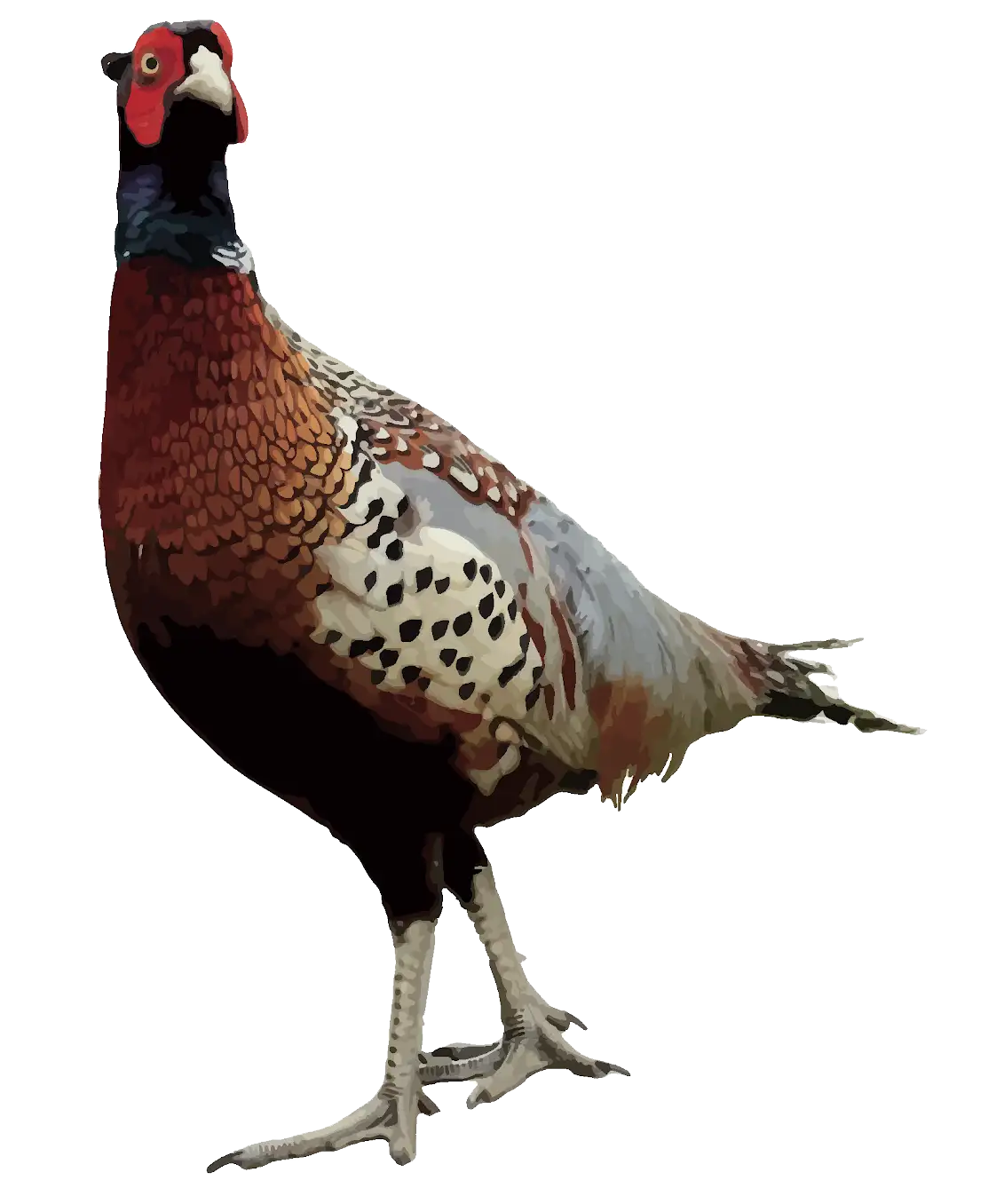
Phasianus colchicus